

By Dr. Abdullatif Alshanqiti
Associate Editor
A New Chapter in Diabetes Care: For more than a century, insulin has been one of medicine’s greatest breakthroughs, transforming diabetes from a fatal disease into a manageable chronic condition. Yet despite remarkable advances in treatment, one challenge has remained largely unchanged: millions of people still rely on daily insulin injections.
Today, that routine is beginning to change.
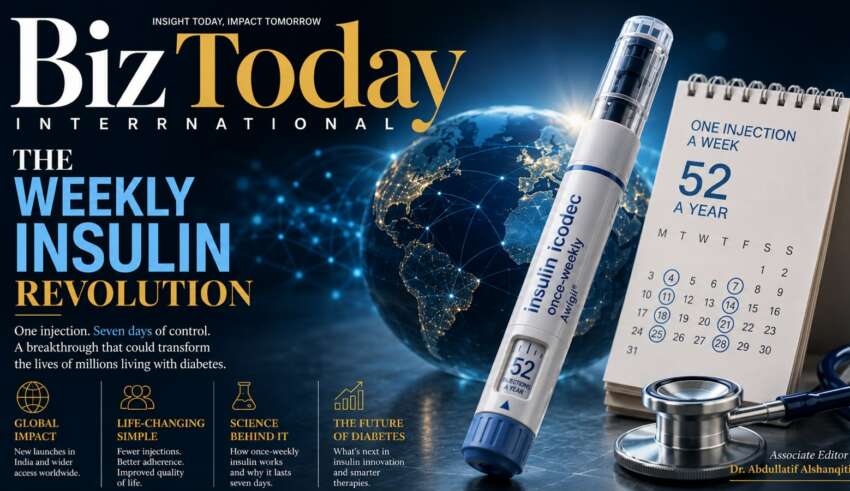
The development of once-weekly basal insulin marks one of the most significant innovations in diabetes care in decades. By reducing injection frequency from 365 injections a year to just 52, this new approach has the potential to simplify treatment, improve medication adherence, and enhance quality of life for millions of people living with diabetes.
While it is not a cure, experts believe it represents a meaningful step toward more patient-centered diabetes management.
Diabetes: A Growing Global Health Challenge: Diabetes is one of the fastest-growing chronic diseases worldwide, affecting hundreds of millions of people across every region. Rising life expectancy, urbanization, sedentary lifestyles, and increasing obesity rates continue to drive the global burden of the disease.
Type 2 diabetes accounts for the vast majority of cases and is often associated with insulin resistance, while people with type 1 diabetes require lifelong insulin replacement because their bodies no longer produce the hormone.
Although modern therapies have improved outcomes significantly, many patients still struggle to maintain optimal blood glucose control. Daily injections, complex treatment schedules, and concerns about hypoglycemia can reduce adherence and delay timely insulin initiation.
The Innovation Behind Weekly Insulin: The first commercially available once-weekly basal insulin, Awiqli® (insulin icodec), developed by Novo Nordisk, has been designed to provide stable glucose-lowering effects throughout an entire week with a single injection.
Unlike traditional basal insulins that require daily administration, insulin icodec has been engineered to remain active in the body for approximately seven days. Its unique molecular design allows it to circulate longer in the bloodstream while delivering a consistent insulin effect, helping maintain stable fasting blood glucose levels between doses.
For patients, the science translates into something simple but powerful: fewer injections without compromising effectiveness.
A Landmark Year for Diabetes Innovation: The approval of once-weekly insulin in major healthcare markets represents a milestone in the evolution of diabetes treatment.
Recent regulatory decisions, including approval by the U.S. Food and Drug Administration (FDA) for adults with type 2 diabetes, have positioned weekly insulin as one of the most closely watched therapeutic advances in endocrinology. The launch of Awiqli® in India home to one of the world’s largest populations of people living with diabetes—further underscores the growing international momentum behind this innovation.
As additional countries evaluate regulatory approvals and reimbursement pathways, experts anticipate broader global adoption over the coming years.
What Do Clinical Studies Show?: Large international clinical trials have demonstrated that once-weekly insulin can achieve blood glucose control comparable to, and in some studies slightly better than, commonly used daily basal insulin therapies.
Researchers also observed high levels of patient satisfaction, with many participants reporting that the reduced injection schedule made treatment easier to follow and less disruptive to everyday life.
For healthcare professionals, these findings suggest that simplifying insulin therapy may improve long-term adherence—an important factor in reducing the risk of diabetes-related complications.
Why Fewer Injections Matter: For many individuals, diabetes management extends far beyond blood glucose measurements. It involves daily decisions, routines, and responsibilities that can become physically and emotionally demanding over time.
Reducing the number of injections from daily to weekly may help:
- Simplify treatment routines.
- Improve medication adherence.
- Reduce injection fatigue.
- Increase confidence among people starting insulin therapy.
- Support better long-term disease management.
For healthcare systems, improved adherence could ultimately contribute to fewer diabetes-related complications and lower long-term healthcare costs.
Is Weekly Insulin Suitable for Everyone?
Despite its promise, once-weekly insulin is not appropriate for every patient.
It is currently intended for selected adults who require basal insulin, particularly those with type 2 diabetes. Individuals with type 1 diabetes still require rapid-acting insulin at mealtimes because weekly basal insulin replaces only the background insulin that the body normally produces.
Like all insulin therapies, treatment must be individualized. Careful dose adjustment, regular glucose monitoring, and close communication with healthcare professionals remain essential to achieving safe and effective outcomes.
Looking Beyond Today: Weekly insulin is unlikely to be the final destination in diabetes innovation. Researchers are already exploring technologies that could further simplify treatment, including glucose-responsive “smart” insulins that activate only when blood sugar rises, combination therapies that reduce the number of medications patients need, and advanced artificial pancreas systems supported by continuous glucose monitoring and artificial intelligence.
Together, these developments point toward a future in which diabetes management becomes increasingly personalized, precise, and less burdensome.
Timeline: A Century of Insulin Innovation
1921 — Insulin is discovered, transforming the treatment of diabetes.
1982 — The first recombinant human insulin becomes available.
2000s — Long-acting basal insulin analogues improve day-to-day glucose control.
2015–2025 — The global ONWARDS clinical trial program evaluates once-weekly insulin icodec.
2026 — The FDA approves once-weekly basal insulin for adults with type 2 diabetes, marking a new milestone in diabetes care.
The Future — Research continues into smart insulins, combination therapies, and automated insulin delivery systems.
Quick Facts
365 vs. 52: Once-weekly basal insulin reduces the number of injections from approximately 365 per year to just 52.
Who may benefit? Adults requiring basal insulin therapy, particularly those with type 2 diabetes, following assessment by their healthcare provider.
What does it replace? Background (basal) insulin only. People with type 1 diabetes still require rapid-acting insulin with meals.
What remains essential? Healthy lifestyle choices, regular glucose monitoring, routine medical follow-up, and individualized treatment plans.
Looking Ahead
The story of insulin has always been one of scientific progress driven by human need. From its discovery more than a century ago to today’s once-weekly formulations, each innovation has sought to make life safer, healthier, and more manageable for people living with diabetes.
Weekly basal insulin is not a cure, nor is it the right solution for every patient. Yet it represents a meaningful advance toward simpler, more convenient, and more patient-centered care.
As research continues and access expands across the globe, one injection a week may become more than a new treatment option—it may redefine how millions of people experience life with diabetes.