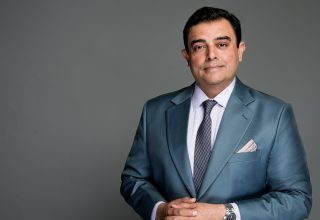
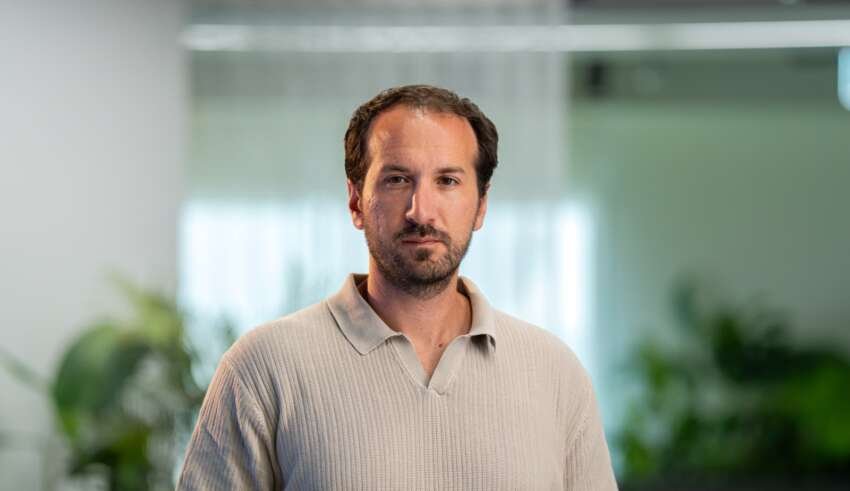
By Yousef ElSammaa, Co-founder & CEO, Daleela
Where the visit ends and the worry begins
Ask any woman, or really any patient in the current model of care, about her last doctor’s visit. She will probably not tell you about the diagnosis.
She will tell you about the waiting room. The twenty minutes that went by too fast. The questions she forgot to ask until she was back in the car.
We talk a lot about apps, telemedicine and now AI. All of it matters. But the real gap, here and almost everywhere else, is not a shortage of technology. It is a shortage of being heard.
I have spent the last few years building in women’s health across the Middle East and North Africa. The same story repeats in every market. The medicine is often good. The relationship is broken.
The twenty minute problem
Our doctors are not the villains here. They carry impossible workloads. In a busy clinic in Cairo, Riyadh or Chicago, a specialist can easily see forty patients a day.
The system rewards volume, so the visit becomes a transaction. You have twenty minutes. Describe your symptoms, get examined, get a prescription. Come back in two weeks for another twenty minutes.
Now add several symptoms that may or may not be related. Your gynecologist sends you to an endocrinologist. The endocrinologist orders tests and sends you to a nutritionist.
In every room you start from zero. The same forms. The same history retold from memory. The same twenty minutes, half of them gone before you reach the thing you actually wanted to ask.
Nobody sees the whole picture. Nobody holds the thread between appointments. You become the messenger, carrying paper reports and half remembered instructions from one office to the next, working out alone which doctor needs to know what.
What gets lost is not just information. It is trust. When a patient does not feel heard, she stops telling the full story and skips the follow up. Then we wonder why so many women wait years for a diagnosis of conditions like endometriosis or PCOS.
This is the cold relationship, and it produces cold results.
What AI should actually do
When people hear AI in healthcare, they picture a chatbot replacing the clinic. The real opportunity is more human than that. AI can hold the relationship between visits, so the human in the room can be fully present during them.
That is what we build around at Daleela: technology that links a woman’s file, her story and her context into one place, so she stops carrying it alone.
A woman wakes up with a new symptom on a Tuesday. Instead of sitting with the worry for two weeks, she describes it in her own words to a system that already knows her history. The way she tells her story becomes part of her record.
The system does not decide what is wrong with her. It builds her file, notes her concern, and makes sure it reaches her doctor in the right place at the right time. If something should not wait, it gets flagged between visits so her care team can act right away.
By the time she sees her doctor, the information is there, the connections are made and the issues are flagged. The doctor does not spend the appointment reconstructing the story. She spends it listening, examining and explaining.
The AI layer also catches what gets lost between specialties. Fatigue mentioned to the gynecologist in March. Irregular cycles in May. A lab value slightly off in June. Three small things in three rooms, and together a pattern worth a closer look.
The AI does not make the call. It highlights the connection in the file, so the doctor sees links he would never have had the time to spot. Her health stops being a pile of parts scattered across clinics and becomes one connected story that any doctor can read, trust and act on, and that she can finally understand.
And when she leaves, the explanation stays with her. The relationship stops being a transaction every two weeks and becomes something ongoing.
None of this replaces the doctor. It gives the doctor back the one thing the system took away, which is the time to be a doctor.
Why this matters most here
This matters everywhere, and even more in our region. Periods, fertility, menopause and intimate health are still hard to raise, especially with a male doctor in a rushed clinic. A system that lets a woman speak privately, at her own pace, and carries her story into the clinic for her, removes a barrier no new hospital can remove on its own.
Put in the right place, between the visits rather than instead of them, AI can give both sides what they have been missing. For the patient, the feeling that someone is paying attention. For the doctor, the room to pay it.
That is what patient centered really means. Not a slogan on a hospital wall, but a woman who leaves the clinic feeling she was heard, and who knows the conversation.