
By Rafiq Vayani
KARACHI: Synapse Pakistan Neuroscience Institute and the Indus Valley School of Art & Architecture (IVS) have launched a formal partnership creating a structured pathway for IVS students to access highly subsidized psychological and neurodevelopmental assessments, accommodation-focused support, and specialist clinical expertise.
The partnership comes amid growing recognition within higher education institutions of the need for more structured approaches to student mental health, neurodiversity, and academic accommodations. The collaboration was formalized through the signing of a Memorandum of Understanding (MoU) between the two institutions.
Under the agreement, referred IVS students will be able to access evidence-based psychological and neurodevelopmental assessments conducted by Synapse’s multidisciplinary clinical team. These may include assessments related to ADHD, learning differences, executive functioning, autism-related traits, and emotional well-being.
Students will receive accommodation-focused clinical reports containing diagnostic impressions where relevant, along with evidence-based recommendations intended to support academic accommodations and learning support planning. The initiative is intended to support students who may be experiencing academic, emotional, attentional, or learning-related challenges that impact their educational experience.
The MoU also includes plans for awareness sessions for IVS faculty and students focused on ADHD, learning disorders, and student support.
Dr. Ayesha I. Mian, Founder & CEO of Synapse Pakistan Neuroscience Institute, said, “Students do better when institutions build environments where support is accessible, thoughtful, and stigma-free. This partnership reflects a shared commitment to creating clearer pathways through which students can seek assessment, support, and appropriate accommodations.”
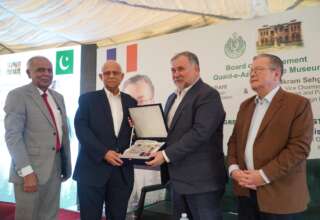
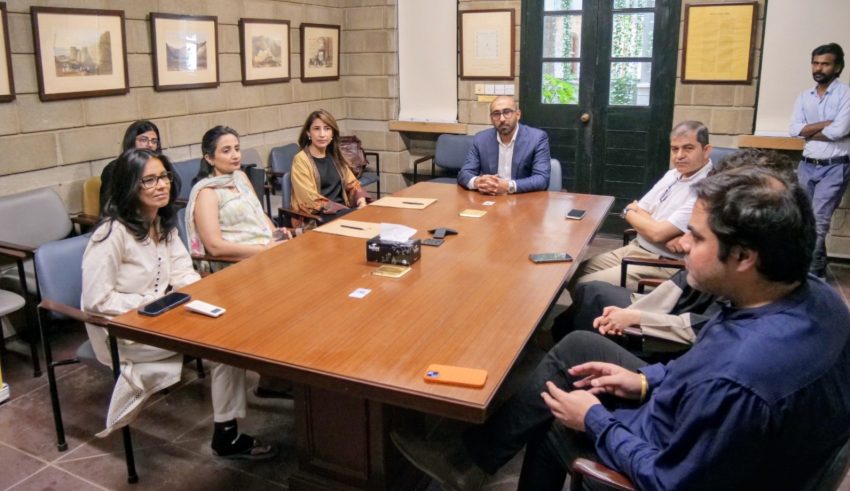
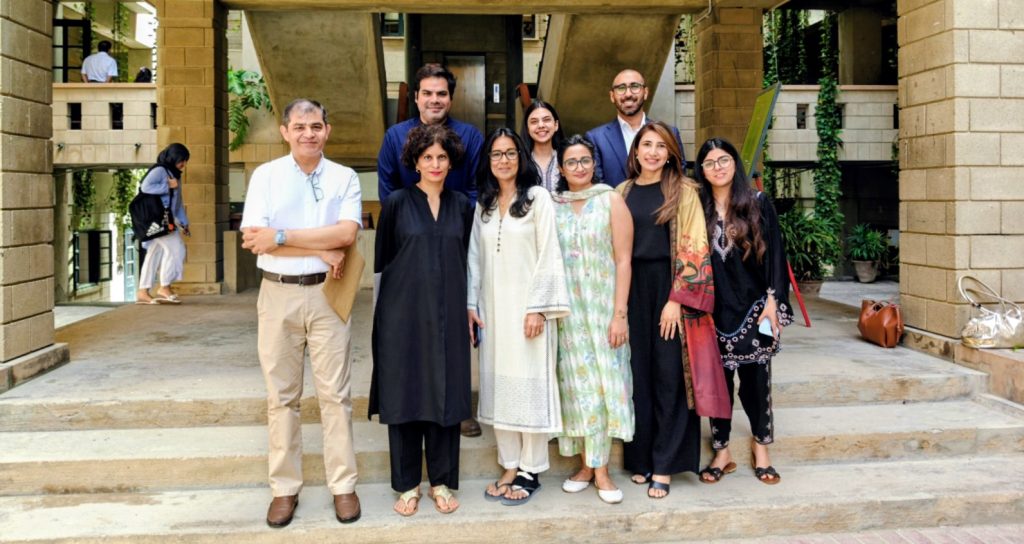
Representatives from both institutions attended the signing ceremony held at the IVS campus in Karachi, including members of IVS leadership, the Student Counselling Department, and the Synapse clinical and management teams.
The collaboration reflects a shared commitment by both institutions to creating more thoughtful, accessible, affordable, and responsive systems of student support. Both institutions expressed hope that the partnership will contribute to strengthening conversations, systems, and support pathways related to student mental health and neurodevelopmental needs within higher education in Pakistan.