

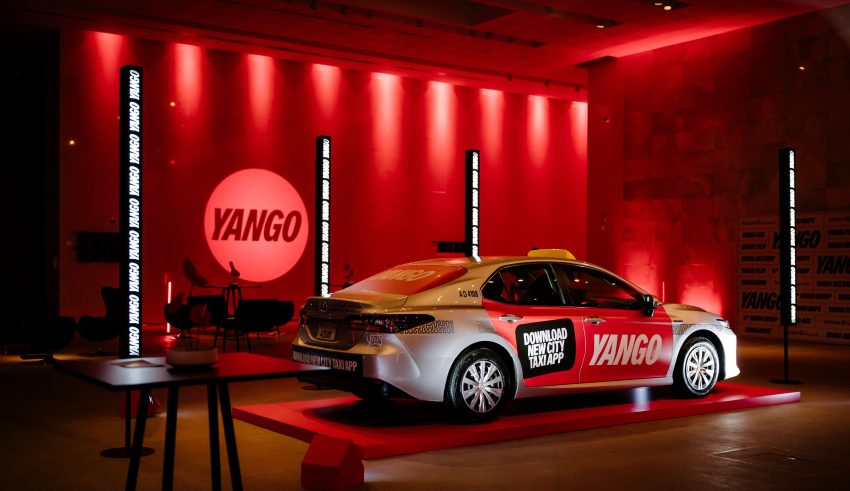
Yango, the ride-hailing service part of Yango Group, has revealed key travel trends shaping the sector across the UAE and Oman. Data from the past year highlights how residents and visitors are using ride-hailing for everything from airport transfers to trips to major shopping destinations, reflecting the growing role of on-demand transport in daily life and regional mobility.
Airport Transfers Lead Demand: Airport trips continue to dominate ride-hailing activity in both markets. Muscat International Airport consistently ranked among the most requested destinations in Oman, while Zayed International Airport and Dubai International Airport were top choices in the UAE. This pattern underscores Yango’s role in providing seamless and reliable connections for both business travellers and tourists navigating the region.
Malls Remain Popular Destinations: Beyond airports, shopping and lifestyle hubs saw significant ride volumes. In Oman, Mall of Oman and Oman Avenues Mall in Al Seeb and Boshar were frequent destinations, while Yas Mall and Dubai Mall ranked highly in the UAE. This trend highlights ride-hailing’s integration into daily routines, providing convenient access to retail, leisure, and entertainment centers.
Economy Vehicles Are Preferred: Economy vehicles dominated overall ride volumes, reflecting strong user preference for practical and cost-efficient transport. The Toyota Camry was the most popular model, reinforcing the demand for reliable mid-size sedans over premium alternatives. These preferences emphasize Yango’s ability to meet customer expectations for comfort, efficiency, and value.
Shift Toward “Green” Transport: Sustainability is increasingly shaping mobility choices, and ride-hailing is no exception. In Dubai, 84% of Yango’s partner fleet consists of electric and hybrid vehicles, reducing emissions while maintaining reliable service. This aligns with the Dubai RTA and DEWA’s Green Charger program, which now offers more than 300 public electric vehicle charging stations across the emirate, and Abu Dhabi Mobility’s Charge AD initiative, which rolled out 1,000 new EV chargers at key locations, supporting the UAE’s long-term sustainability goals, including increased electric vehicle adoption and carbon neutrality by 2050. The shift reflects a growing trend toward eco-friendly, technology-enabled transport, as cities and residents prioritize greener alternatives and transport services adapt to meet environmental expectations.
Expanding Shared Mobility in Dubai: A growing trend in the UAE is the evolution of ride-hailing from individual, on-demand trips to shared, tech-enabled mobility solutions that address community and urban transport needs. In line with this, Yango, in partnership with the Dubai Roads and Transport Authority (RTA), is piloting a shared school transport service using luxury SUVs in Dubai. The program transports students from multiple schools along common routes with live vehicle tracking, centralized monitoring, and transparent trip management. Serving students aged 14 and above, the service aims to complete home-to-school journeys within 60 minutes while grouping students by neighborhood to reduce congestion and costs.
Integrated and Multi-Modal Transport Gains Traction
Commuters are increasingly relying on multi-modal transport to complete their journeys, especially for first- and last-mile connections to metro stations, bus stops, or other transit hubs. To support this trend, Yango signed an MoU with Etihad Rail for operational alignment at and around stations, including coordinated pick-up and drop-off points, streamlined vehicle access, and peak-hour traffic management. This integration extends the convenience of shared mobility to intercity travel, with Etihad Rail projected to serve up to 36.5 million passengers annually by 2030, meeting growing demand for connected, end-to-end travel solutions across the UAE.
Insights into Regional Mobility Trends: Yango’s data highlights the evolving role of ride-hailing in shaping regional mobility patterns. High demand for airport transfers underscores the sector’s growing contribution to tourism and business travel, while frequent trips to malls and lifestyle hubs indicate that on-demand rides are increasingly becoming part of daily routines. These trends reflect broader shifts in urban transportation, where convenience, efficiency, and accessibility are influencing how people plan and move around their cities.
Insights into Regional Mobility Trends: Yango’s data highlights the evolving role of ride-hailing in shaping regional mobility patterns. High demand for airport transfers underscores the sector’s growing contribution to tourism and business travel, while frequent trips to malls and lifestyle hubs indicate that on-demand rides are increasingly becoming part of daily routines. These trends reflect broader shifts in urban transportation, where convenience, efficiency, and accessibility are influencing how people plan and move around their cities.