

By Abdul Wali Khan
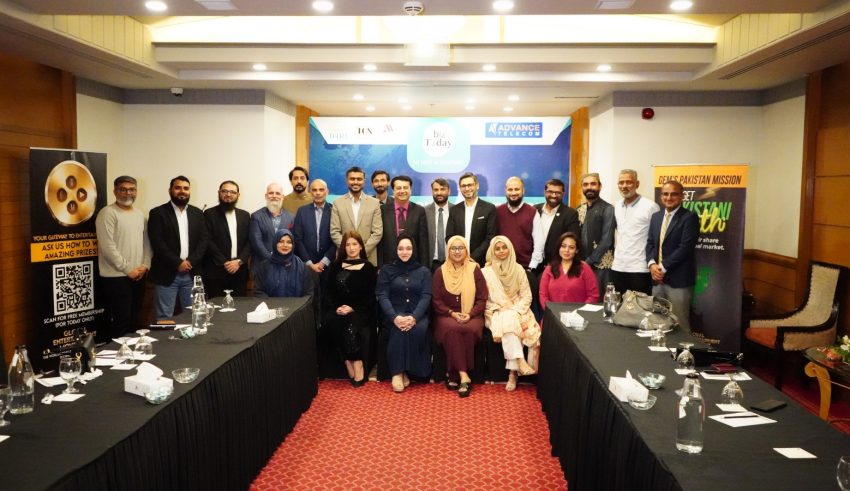
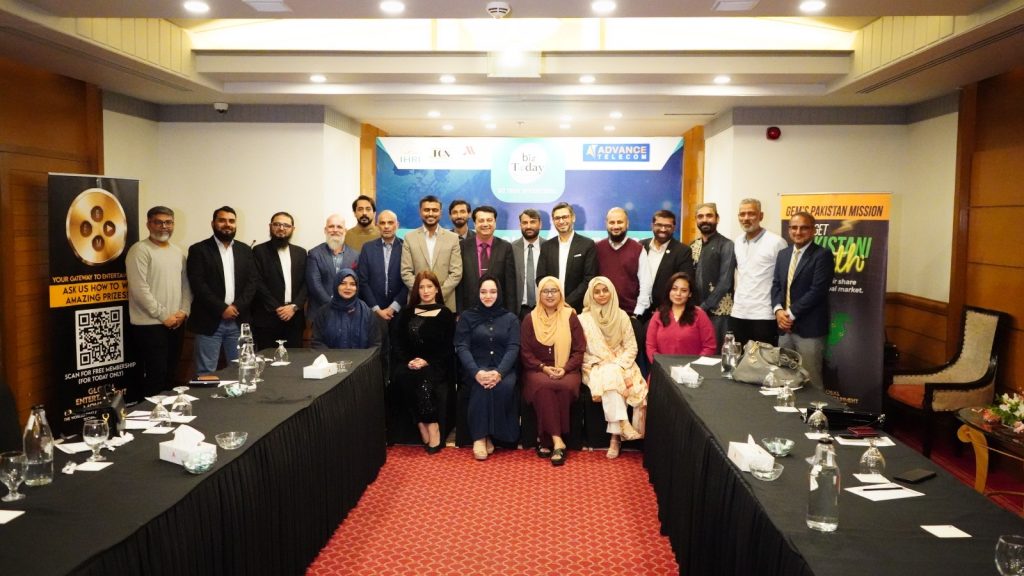
KARACHI: Pakistan’s telecom sector, digital infrastructure requirements, and long-term investment outlook were discussed in depth at the Telecom Roundtable 2025, organized by Biz Today International, hosted by TCN Executive Forum powered by Advance Telecom held on December 23, 2025, at the Karachi Marriott Hotel. The forum brought together senior industry professionals, technology leaders, and stakeholders to deliberate on the theme “Shaping the Future of Pakistan’s Telecom Ecosystem.”
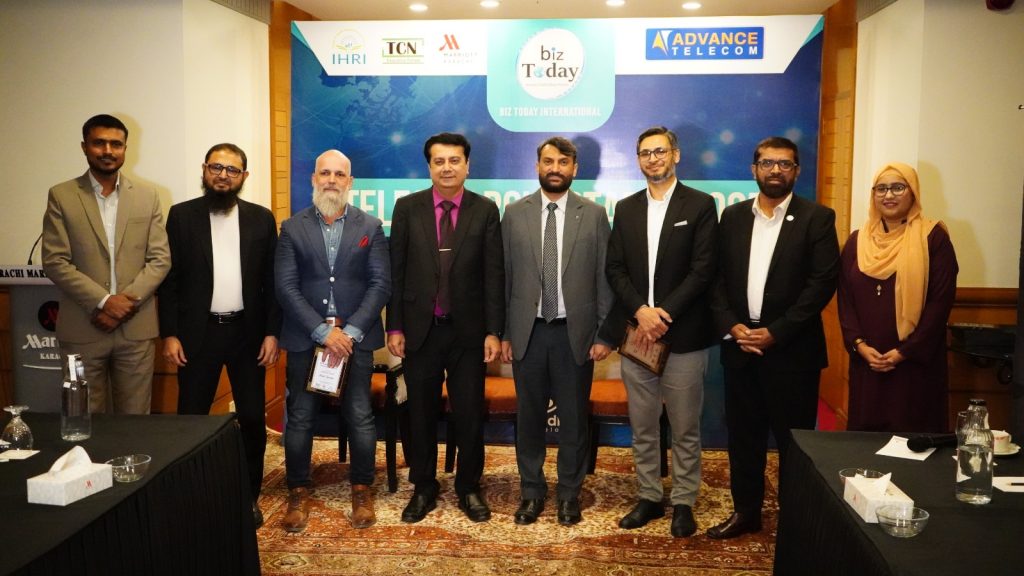
The session was moderated by Dr. Imran Batada, Director ICT at the Institute of Business Management (IoBM) University, who guided the discussion with a focus on connectivity stability, regulatory alignment, and the growing dependence of key national sectors on reliable digital infrastructure.


The panel comprised Jamal Ali Khan, Chief Growth Officer at eocean; Mohsin Kamal, Former Director South at Jazz; and Khurram Saif, Group CTO at Dr. Ziauddin Group, each sharing practical insights based on their extensive experience across telecom, enterprise solutions, and digital transformation.

Speakers emphasized that stable and reliable connectivity has become a fundamental requirement for national development. Drawing analogies from the healthcare sector, panelists noted that a solution cannot be considered effective if it only delivers results for a limited segment of users. Similarly, digital services and platforms lose credibility if connectivity is inconsistent or unreliable for a large portion of the population.
The discussion highlighted the increasing reliance of the education sector, particularly universities, on digital platforms such as Learning Management Systems, Training Management Systems, and Examination and Question Management Systems. Panelists noted that academic schedules, online assessments, and time-bound examinations cannot be effectively managed without uninterrupted connectivity. International examination systems, including Cambridge and other global boards, were cited as examples where digital reliability is non-negotiable, and Pakistan must move toward similar standards to ensure trust and transparency.
Participants also discussed the challenges posed by multiple regulatory authorities, overlapping policies, and procedural complexities, which often create uncertainty for investors. The importance of policy consistency and long-term regulatory clarity was stressed as essential for restoring investor confidence and encouraging both local and foreign investment in the telecom sector.
Reference was made to recent market developments, including the exit of Telenor from Pakistan, which panelists described as a significant moment requiring introspection by regulators and policymakers. While acknowledging that consolidation can bring efficiencies, speakers cautioned that unchecked consolidation may limit competition if not supported by transparent and balanced regulatory oversight.
Despite the challenges, panelists agreed that Pakistan continues to offer strong growth potential, particularly in broadband expansion, fiber deployment, and enterprise digital services. They stressed that with the right regulatory environment, the telecom sector can play a vital role in enabling digital governance, financial inclusion, and economic expansion.
Emerging technologies, including satellite-based internet services, were discussed as an opportunity to bridge connectivity gaps in remote and underserved regions. Rather than viewing satellite connectivity as a threat to existing operators, speakers suggested a collaborative approach where satellite, fiber, and wireless technologies complement each other to build a resilient national network.
The conversation also touched upon 5G readiness, with panelists emphasizing that speed alone should not define progress. Instead, quality of service, affordability, network stability, and ecosystem readiness must remain central to any future rollout strategy.
A significant portion of the discussion focused on Pakistan’s youth and the digital economy. Speakers observed a noticeable shift in career preferences, with young professionals increasingly moving toward entrepreneurship, freelancing, startups, and digital platforms rather than traditional employment models. This shift, they noted, presents a major opportunity for Pakistan to increase exports of digital services and improve foreign exchange inflows.
The presence of national institutions such as NADRA was highlighted as a strong foundation for digital identity-based services, fintech innovation, and API-driven governance. Panelists noted that leveraging existing infrastructure while enabling innovation could accelerate Pakistan’s journey toward a more inclusive digital economy.
Concluding the discussion, the panelists agreed that Pakistan’s telecom future depends on collaboration between regulators, telecom operators, academia, and the private sector. A unified and forward-looking digital vision, they emphasized, is essential for transforming connectivity into sustainable economic growth.
The Telecom Roundtable 2025 reinforced the view that while challenges remain, Pakistan’s telecom sector holds the capacity, talent, and strategic importance to support national development and position the country more strongly within the global digital economy.