News Desk
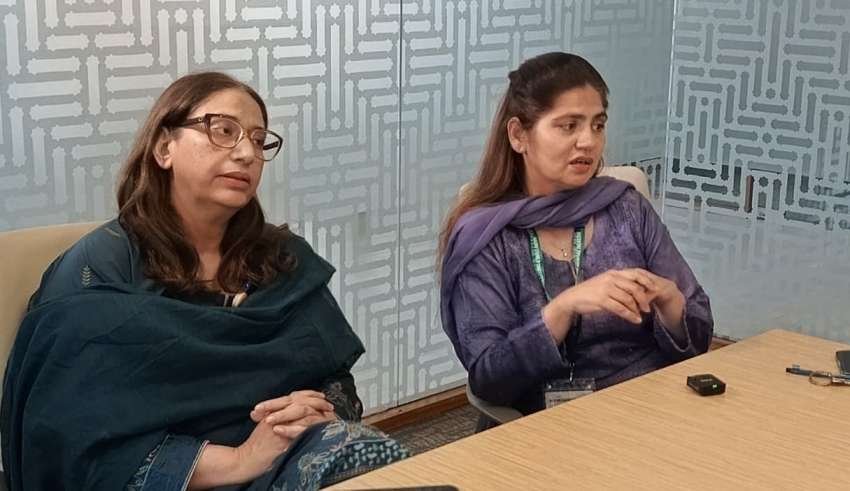
KARACHI: The Aga Khan University Hospital (AKUH) marked PMOS Awareness Month this September by hosting a media roundtable titled “PMOS: Beyond Periods and Pregnancy.” With a 2026 study revealing that an alarming 48.5% of women in Pakistan suffer from PMOS (Noland et al, 2026), AKUH specialists gathered with health journalists to unpack this common, yet widely misunderstood, hormonal disorder.
Previously known as Polycystic Ovary Syndrome (PCOS), the condition was proposed to be renamed Polyendocrine Metabolic Ovarian Syndrome (PMOS) in 2026 following a consensus led by global reproductive and endocrine experts. This new name deliberately places the metabolic and hormonal drivers of the condition front and center.
During the roundtable, experts challenged the misconception that PMOS is solely an infertility issue. Instead, they presented a wider view of PMOS as a complex, hormonal condition that affects a woman’s weight, skin, menstrual cycles, and emotional well-being. Furthermore, it is closely linked to severe, long-term health risks, including type 2 diabetes, cardiovascular disease, high blood pressure, and depression.
Furthermore, PMOS is closely linked to longer-term health risks such as type 2 diabetes, high blood pressure, cardiovascular disease, and depression. Seen this way, PMOS is a comprehensive women’s health issue that runs through the whole body, not a single problem confined to fertility.
A recurring theme was how often PMOS is misunderstood or self-diagnosed. Irregular periods do not always mean PMOS, and PMOS cannot be diagnosed from an ultrasound alone. Additionally, PMOS is not only caused in overweight women – in South Asia, even lean/thin women can develop PMOS.
The specialists emphasised the importance of a thorough medical assessment, combining a detailed history, clinical examination and appropriate tests, to help ensure an accurate diagnosis rather than relying solely on information found online.
The discussion also turned to what women can do. Sustainable lifestyle changes, balanced nutrition and regular physical activity can make a real difference to how PMOS is managed, and early attention can reduce the longer-term risks. The experts were clear that there is no single cure and no one-size-fits-all treatment. Care depends on each woman’s symptoms and goals and works best when it is personalised and followed up over time.
Equally important, the panel said, is the emotional side of PMOS. Acne, unwanted hair growth, weight changes and worries about fertility can take a heavy toll on confidence and mental health, and that toll deserves to be treated as part of care rather than an afterthought.
“For too long, PMOS has been seen only as a fertility problem, and that narrow view has done women a disservice. The condition touches almost every part of a woman’s health, from her hormones and her weight to her heart and her state of mind. When we catch it early and treat the whole person, women do remarkably well,” said Dr Asma Ahmed, Consultant Endocrinologist at the Aga Khan University Hospital.
“The most common mistake we see is women diagnosing themselves online or ignoring the signs out of embarrassment. Irregular periods, unexplained weight gain or persistent acne are worth a conversation with a doctor, not a search on the internet. There is no single cure, but with the right guidance most women can manage PMOS and live full, healthy lives,” said Dr Sumaira Naz, Consultant Obstetrics and Gynaecology at the Aga Khan University Hospital.
This roundtable aligns with AKUH’s wider ongoing effort to elevate public understanding of women’s health and to empower women to seek timely, credible medical advice.
rafiq@biztoday.news