
By Rafiq Vayani
DUBAI: Yango Ads, the AdTech division of Yango Group, has released its Ramadan 2026 demand playbook, outlining how brands across the Middle East can capture one of the region’s most commercially significant periods through a connected, full-funnel advertising strategy.
Ramadan remains one of the most influential demand cycles in the Middle East, marked by a clear shift in daily routines and digital behaviour. While daylight hours are quieter and focused on fasting and reflection, activity rises sharply after iftar, with evenings and late nights becoming prime windows for media consumption, ecommerce, and service usage. According to Yango Ads’ seasonal insights, this day-to-night behavioural shift fundamentally changes how and when brands should engage audiences during the holy month.
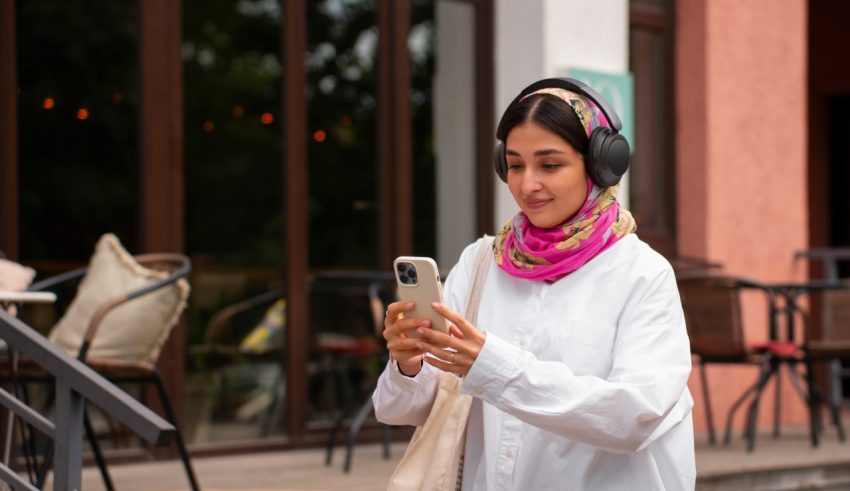
Consumer spending patterns during Ramadan further reinforce the need for early, well-sequenced planning. Research shows that shoppers in the UAE and Saudi Arabia increase spending on food, dining, and essential household goods during the holy month. At the same time, post-iftar media consumption rises significantly, with video and mobile formats seeing the highest engagement levels in the evening and late-night hours. Ecommerce, food delivery, and entertainment platforms also experience traffic peaks after sunset, when consumers are most active and receptive to offers.
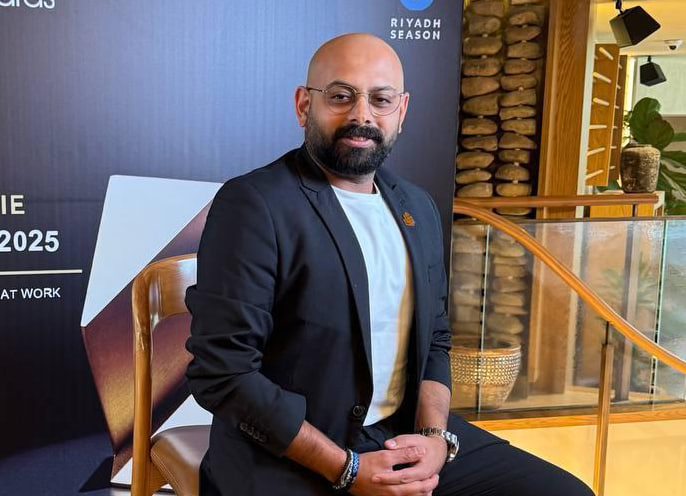
“Ramadan is not a single-moment sales spike; it’s a progressive demand curve that builds weeks in advance,” said Bassem Yousri, Head of Agency Department, Yango Ads MEA. “Brands that wait until the holy month begins are already competing in a saturated environment. The most effective Ramadan campaigns start earlier, establish relevance before peak demand, and then guide consumers from awareness to conversion at the right cultural moments.”
According to Yango Ads, Ramadan demand typically develops in four phases. Awareness begins weeks ahead of the holy month, as consumers look for ideas, inspiration, and early offers. Consideration grows as households plan purchases across categories such as FMCG, fashion, beauty, electronics, and entertainment. Conversions tend to peak during evenings and weekends, while loyalty and repeat usage build steadily throughout Ramadan as brands remain consistently visible and relevant.
The company notes that capturing the full value of Ramadan requires an integrated approach rather than isolated performance tactics. Yango Ads’ Ramadan 2026 playbook highlights the role of high-impact awareness formats early in the season, followed by interactive and retail media placements during high-intent periods, and sustained presence across everyday consumer touchpoints through SuperApp environments.
Cultural sensitivity and timing also remain central to effective Ramadan advertising. Yango Ads advises brands to avoid food-related messaging during daylight fasting hours, align dining and delivery campaigns with iftar and evening planning moments, and use creative themes that reflect togetherness, family, gratitude, and community. Campaigns that respect the rhythm and values of Ramadan tend to achieve stronger engagement and long-term brand trust.
As competition for attention intensifies each year, Yango Ads believes that Ramadan 2026 will reward brands that combine cultural understanding with disciplined funnel planning. By activating earlier, sequencing messaging thoughtfully, and aligning media delivery with evening-led consumer behaviour, advertisers can turn seasonal interest into measurable business outcomes.
For more insights on Ramadan consumer trends and full-funnel campaign planning, visit https://yango-ads.com