
By Rafiq Vayani
DUBAI/MUSCAT: Sultanate of Oman continues to strengthen its position as one of the Middle East’s leading destinations for sustainable tourism through a comprehensive set of initiatives led by the Ministry of Heritage and Tourism. These initiatives aim to create a tourism experience built on environmental protection, cultural preservation, and community empowerment, while also driving modern urban development that reflects the Sultanate’s identity and supports its future vision. More than just development projects, these efforts form part of an integrated philosophy that makes sustainability the cornerstone of the sultanate of Oman’s tourism strategy, ensuring that every visitor enjoys a complete journey that blends exploration with responsibility toward both nature and culture.
Natural Reserves: Protecting Diversity and Enriching the Experience
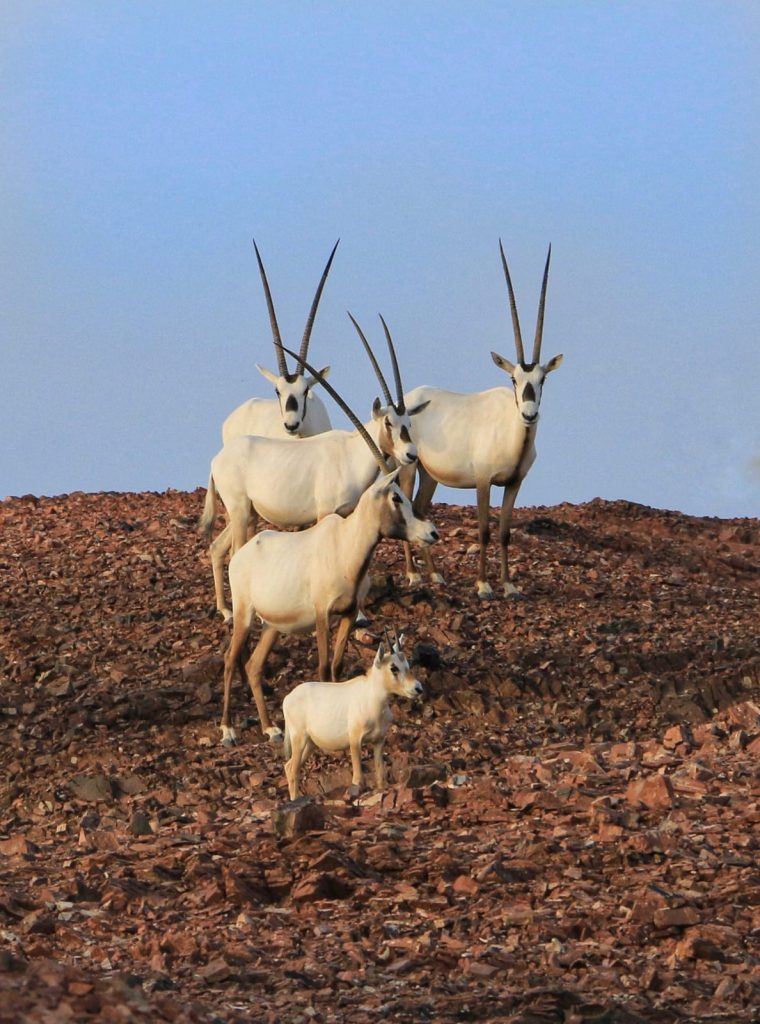
Sultanate of Oman’s natural reserves represent one of the central pillars of its sustainable tourism approach, serving not only as areas for conservation but also as destinations that bring visitors closer to the environment in ways that are both educational and inspiring. At the Arabian Oryx Sanctuary, travelers encounter a remarkable story of renewal, where this once-endangered species has been reintroduced and now thrives again in its natural habitat. At Ras Al Jinz, visitors are offered a rare opportunity to witness sea turtles nesting along the shores of Sultanate of Oman—an extraordinary natural phenomenon made possible through carefully managed conservation efforts that protect the animals while providing travelers with a meaningful encounter. Offshore, the Daymaniyat Islands have emerged as a haven for divers and snorkelers, offering a window into one of the region’s most vibrant and well-protected marine ecosystems, home to colorful coral reefs and diverse marine species. Together, these reserves show how Sultanate of Oman has succeeded in making its natural environment a central part of the tourism journey, ensuring that nature remains a living partner in the experience rather than just a scenic backdrop.
Innovative Experiences Showcasing Omani Identity
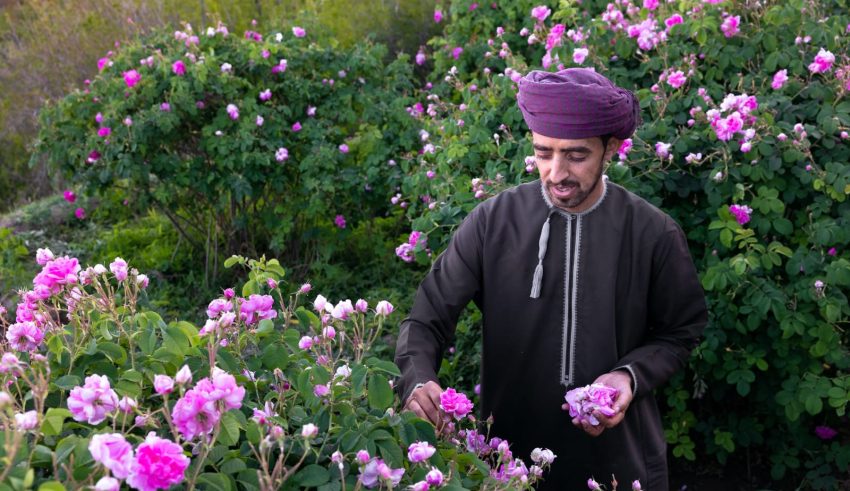
In addition to preserving its landscapes, Sultanate of Oman has developed innovative initiatives that bring its cultural heritage to life in ways that are immersive and memorable. The Mountain Slopes initiative offers adventurous travelers guided routes through dramatic mountain peaks and valleys, with trails carefully designed to ensure safety, enjoyment, and environmental responsibility. The Aromatic Tourism initiative provides a sensory journey into Oman’s traditions, from the rose farms of Al Jabal Al Akhdar, famous for producing authentic Omani rose water, to the ancient frankincense groves of Dhofar, which have played a vital role in the country’s history and global trade routes. Complementing these experiences is the Falaj Experience, which introduces visitors to the Sultanate of Oman’s traditional irrigation systems—an enduring symbol of ingenuity and water sustainability that has shaped community life for centuries. Guests can explore some of the most iconic UNESCO-listed aflaj, including Falaj Daris in Nizwa, Falaj Al-Malki in Izki, and Falaj Al-Khatmeen in Birkat Al-Mouz, where they can see firsthand the brilliance of Omani water management. Taken together, these experiences highlight how the Sultanate of Oman connects visitors to its culture and traditions while reinforcing its reputation as a destination that invests in both heritage and natural assets.
Sustainable Cities and a New Urban Vision
Sultanate of Oman’s focus on sustainability extends beyond its natural and cultural landscapes to include ambitious urban projects that are reshaping the country’s tourism future. Sultan Haitham City is being developed as a model for modern living, designed around open green spaces, cultural landmarks, and tourism facilities that create an integrated and forward-looking community. In Salalah, the creation of a new city reflects the same vision, combining contemporary infrastructure with the region’s natural beauty to design a balanced urban environment where tourism becomes part of everyday life. Meanwhile, the Sustainable City – Yiti in Muscat is emerging as a landmark project and the Sultanate of Oman’s first carbon-neutral community. Powered by renewable energy and equipped with advanced systems for managing water and waste, Yiti represents a new standard for environmentally responsible urban planning. Collectively, these projects go beyond construction, reflecting a philosophy that makes sustainability a defining principle in both tourism and urban development, ensuring that Sultanate of Oman’s growth is aligned with its long-term vision for the future.
Hospitality Blending Luxury with Responsibility
Sultanate of Oman’s hospitality sector has become a showcase for how luxury can coexist with sustainability, offering travelers experiences that are both indulgent and environmentally responsible. In Al Jabal Al Akhdar, mountain resorts combine breathtaking scenery with eco-conscious operations, relying on renewable energy and water-efficient systems to minimize their environmental footprint while providing guests with world-class comfort. Along the coastlines of Musandam, eco-lodges create immersive stays that blend seamlessly with their surroundings, designed to preserve the natural environment while giving visitors an authentic connection to place. Beyond environmental stewardship, these practices also serve to empower local communities, generating employment opportunities and supporting small businesses tied to tourism. This balance ensures that hospitality in the sultanate of Oman is not just about delivering exceptional service, but about creating meaningful impact that benefits both people and the planet.
Oman Vision 2040: Responsible Tourism for Generations to Come
All of these efforts are closely aligned with Sultanate of Oman Vision 2040, which establishes sustainability as a cornerstone of national development. In the Sultanate of Oman, tourism is not viewed merely as an economic sector but as a means of protecting cultural identity, preserving natural heritage, and projecting the nation’s values to the world. By integrating natural conservation, innovative cultural experiences, sustainable urban planning, and responsible hospitality practices, Sultanate of Oman is offering the world a comprehensive model of sustainable tourism. For visitors, it is more than just a holiday—it is an opportunity to take part in a journey where nature, culture, and modern vision come together. It is an experience that leaves a lasting impression, affirming Sultanate of Oman as a destination that successfully unites authenticity with progress, tradition with innovation, and today with the promise of tomorrow.